When we think about enjoying a great glass of wine, we often focus on the first sip—the burst of flavors, the refreshing acidity, the balance between sweetness and dryness.
But there’s an often-overlooked aspect of wine tasting that can make a bottle truly unforgettable: the finish, or aftertaste. For those new to the world of wine, understanding the finish might seem like a mystery, but it plays a crucial role in how memorable a wine can be.
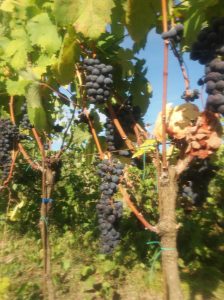
At our boutique winery in Dalmatia, where we revived rare Croatian grape variety Trnak, we take a pride in creating wines with finishes that leave a lasting impression.
Whether you’re a seasoned wine connoisseur or just beginning your journey, learning what makes a wine’s finish memorable is key to unlocking its full potential.
What is the "finish" in wine?
In wine tasting, the finish refers to the flavors and sensations that linger on your palate after you’ve swallowed or even spit out the wine.
It’s not about the immediate taste you experience when the wine first touches your tongue, but the lasting impression it leaves behind. The finish is a culmination of everything that happens on your palate and often reveals the true complexity of the wine.
A wine’s finish is influenced by several factors, including its acidity, tannin structure, alcohol level, and the types of flavors it carries.
Some wines have a long, elegant finish, while others may have a shorter, crisper one. But what exactly makes a finish stand out?
The Key Components of a Memorable Finish
1. Length of the Finish
One of the most important elements of a memorable finish is length.
A long finish means the flavors linger on your palate, giving you time to savor them. Great wines often have finishes that last for 20 seconds or more. In contrast, a short finish might disappear almost immediately, leaving little impression behind.
2. Balance and Harmony
A wine’s finish should feel like a natural continuation of its initial taste.
If a wine is well-balanced, the aftertaste will harmonize with the wine’s flavor profile. For instance, a wine that starts with bright fruit flavors might finish with a subtle minerality or earthy undertone, creating a smooth transition.
A perfect balance between sweetness, acidity, and tannins ensures that the finish isn’t too overwhelming, but leaves you wanting more.
At our winery, we use traditional methods and sustainable practices to ensure our Trnak grapes reach their full potential, resulting in a well-balanced and satisfying finish.
3. Tannins and Acidity
Tannins are compounds found in grape skins, seeds, and stems, and they are responsible for the astringency or dryness in wine.
Fun fact: some people feel tannins as “lipstick” because their cheeks contract and become tighter.
A good wine finish will showcase tannins in a way that feels structured and not too harsh. On the other hand, acidity provides that refreshing zing that can make the aftertaste clean and crisp.
Wines with a good balance of tannins and acidity often have a finish that is both complex and invigorating, which is why Trnak, with its unique tannin profile, provides a finish that lingers with a beautiful balance of freshness and depth.
4. Flavors and Aromas
The flavors you taste during the finish often reflect the wine’s quality and the grape variety’s characteristics.
For instance, wines made from the Trnak grape might finish with notes of dark fruit, earthy spices, or subtle floral elements that surprise and delight your senses.
The aroma that rises from the glass after a sip is also an important part of the aftertaste experience. These final impressions are the essence of what makes a wine memorable and distinctive.
Why the Finish Matters in Wine Tasting
The finish of a wine tells you a lot about its overall quality and craftsmanship.
A short or abrupt finish might suggest that the wine is unbalanced, too young, or lacking in complexity. On the other hand, a long and harmonious finish often indicates that the wine has been made with care and has reached its full potential.
In Dalmatia, where we’re surrounded by sun-kissed vineyards and a rich history of winemaking, we understand that the finish can make all the difference.
Our Trnak wines, carefully tended from vine to bottle, are designed with the aftertaste in mind, ensuring that the final experience is as memorable as the first sip.
When you visit us, you won’t just taste the wine—you’ll experience the magic of the aftertaste, a lasting memory of Dalmatia’s unique terroir.
How to Experience the Perfect Finish at Our Winery
If you’re planning a visit to our Dalmatian winery, be prepared to savor a wine experience that goes beyond the first sip.
Our boutique winery specializes in the Trnak grape variety, known for its unique characteristics and incredible finish.
You’ll get to taste the wines that reflect the true essence of Dalmatia, each with its own unforgettable finish.
A visit to our winery isn’t just a chance to taste rare wines—it’s an opportunity to explore how the aftertaste can transform a simple drink into a lasting memory.
Whether you’re a wine enthusiast or a curious beginner, we promise that the finish of our Trnak wines will leave you with a desire to return again and again.
Plan Your Visit in 2025
We invite you to join us in 2025 for a wine-tasting experience like no other. Explore the vineyards where the Trnak grape thrives and discover the art of the aftertaste for yourself.
With its beautiful landscapes, rich culture, and exceptional wines, Dalmatia is the perfect destination for wine lovers from across Europe.
Book your trip today and let us show you what makes the finish of our wines so unforgettable.
By focusing on the aftertaste, or finish, we can enhance our understanding of wine and learn to appreciate its depth and complexity.
We look forward to welcoming you to our boutique winery in 2025 and sharing the magic of Trnak with you!